How to Design Tattoos That Actually Work on Skin
Why your coolest drawings might not survive the needle (and how to fix that.)

Not Every Good Drawing Makes a Good Tattoo
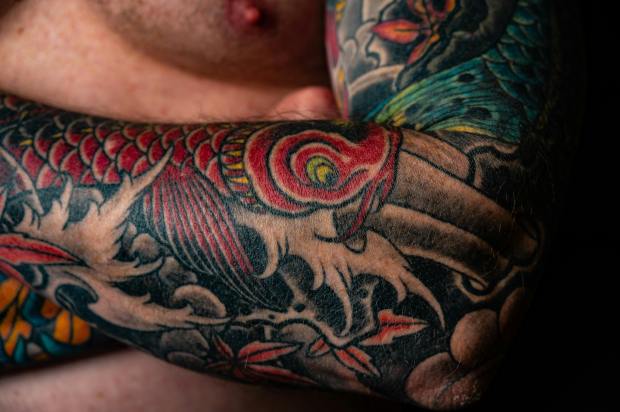
Good tattoos are not just good drawings. They’re drawings that bleed, swell, peel, scar, fade, move, and age. They live on dynamic surfaces (ribs, knees, elbows, wrists) and have to survive everything from UV damage to friction to the passage of time.
You can be a technically perfect illustrator, but that doesn’t mean your designs will hold up on skin. If you don’t understand how your design will live on the body, you’ll end up with something that looks good in theory but not in practice.
To make a tattoo that works, you need to design with the intention of creating a lasting tattoo. That means considering line work, flow, scale, and value.
Line Work
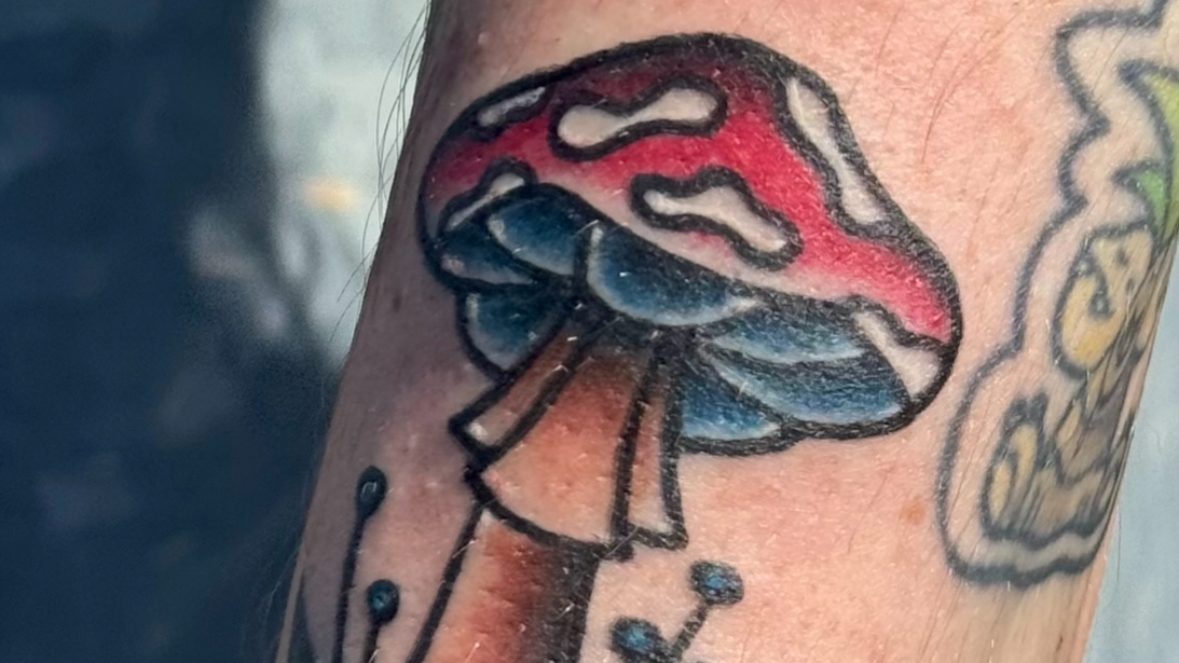
Line work is often the backbone of a tattoo. It defines structure, shape, and form. Good line work is confident, intentional, and appropriately weighted.
Good line work also considers the scale of the tattoo. Fine detail lines might hold up in a twelve-inch back piece but will likely blur out completely in a two-inch wrist tattoo. You also must consider that on skin, lines will spread slightly and soften over time.
How to Improve Line Work?
Start by drawing slower. Most shaky lines come from rushing. Use long, continuous strokes when possible instead of sketchy, repeated ones. Practice drawing with your whole arm, not just your wrist, to get smoother motion and better flow.
Study tattoos you admire. Look at how they use thick vs. thin lines, how they outline shapes, and how they separate elements in the design. Try tracing them to feel out why the artist made the decisions they made in the design.
And above all, draw a lot, and draw with purpose. Focus on building muscle memory and consistency. Try inking your sketches with liners or brush pens to make pulling lines more difficult. Great line work is refined with repetition.

Scale
One of the fastest ways to ruin a good design is to ignore scale. What looks beautiful on a large sheet of paper might completely fall apart when it’s shrunk down for a forearm or ankle.
Tiny details blur and super fine lines fade. Complex textures in a small space end up turning to mud.
When drawing your tattoo design, it can be very helpful to design for the actual size it will be tattooed. And remember, bigger isn’t just easier, it also gives your design room to breathe. The smaller the tattoo, the more important it is to simplify your design.

Value
Out of all the design fundamentals, value might be the most underutilized and misunderstood in tattooing, and also the one that can completely change how effective your work is.
Value, in simple terms, is the lightness or darkness of a shape. It creates depth, builds contrast, and tells the eye where to look. And in tattooing, it’s one of the most reliable ways to make sure a design will still read clearly not just the day it’s tattooed, but years down the line.
You can fake detail, you can skip color, you can even go without outlines in certain styles. But if your value structure isn’t solid the whole thing will fall apart.
How to Test for Good Values?
One of the easiest ways to check if you have strong values in your work is to take your piece and hold it far away, squint your eyes, or blur the image (if it’s digital).
If your image becomes a confusing blur, or just a mess of gray, your values need work. If it still hits, you’ve got a piece that’ll hold up.
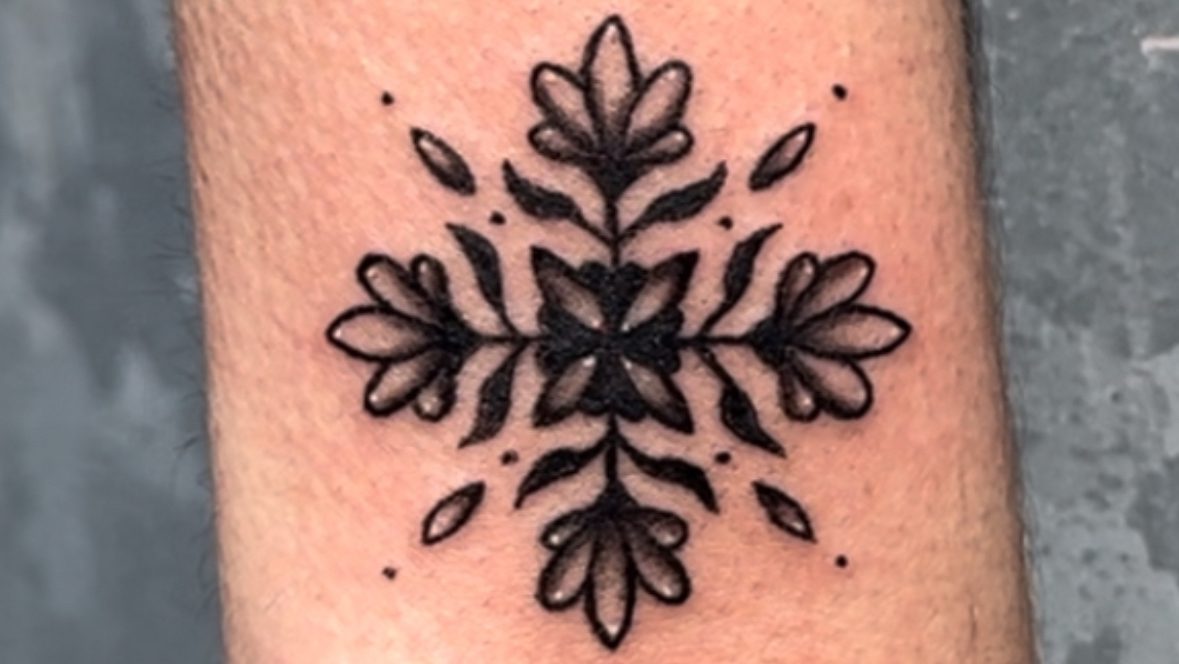
Good tattoo designs have a clear hierarchy. They use value to create visual priority; bold blacks to anchor the shape, softer tones to support the form, and negative space to carve out clarity. This is how you avoid that dreaded “gray mush” that happens when a design is overworked or under-contrasted.
Flow
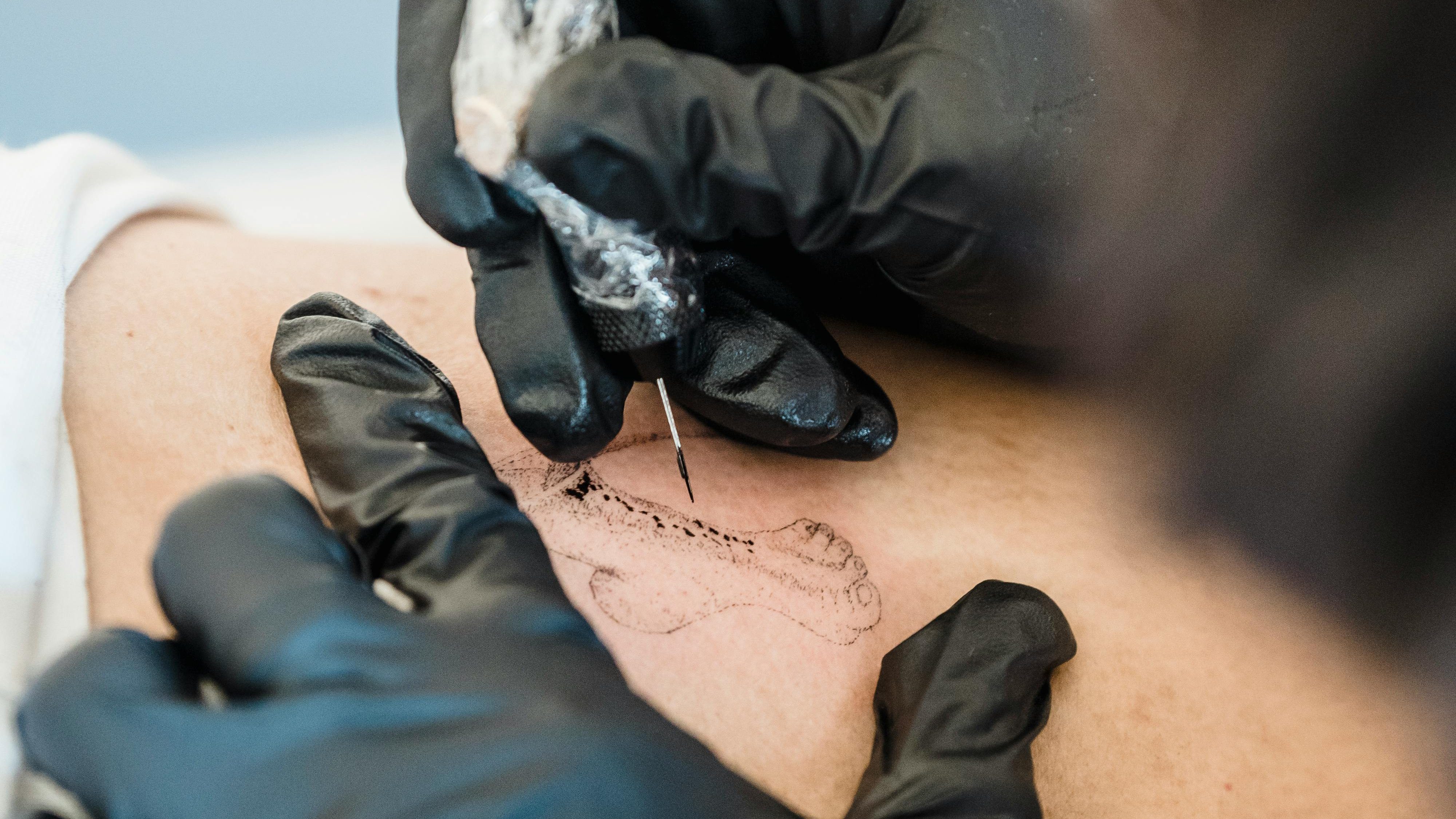
Good tattoo designs flow with the body. When designing a tattoo, keep in mind that you’re not just designing a flat image, you’re designing something that will wrap, stretch, and shift with the body.
Good flow takes anatomy into account. The best designs feel like they belong exactly where they’re placed because they were drawn with that space in mind.
This also ties into composition. Balance your elements so they work in motion, not just when the arm is straight or the torso is still.
Final Thoughts
Designing a tattoo that works on skin requires creating something that lasts, stays readable, and works with the unique challenges of the tattooing medium. Every decision you make should be made with an understanding of how your design will look healed.
Design your tattoos with purpose, and ink them with confidence.



 Brooke Desieus
Leave a comment